Geo-Economics, Not Geo-Politics: The New Art of Power
21 August 2025
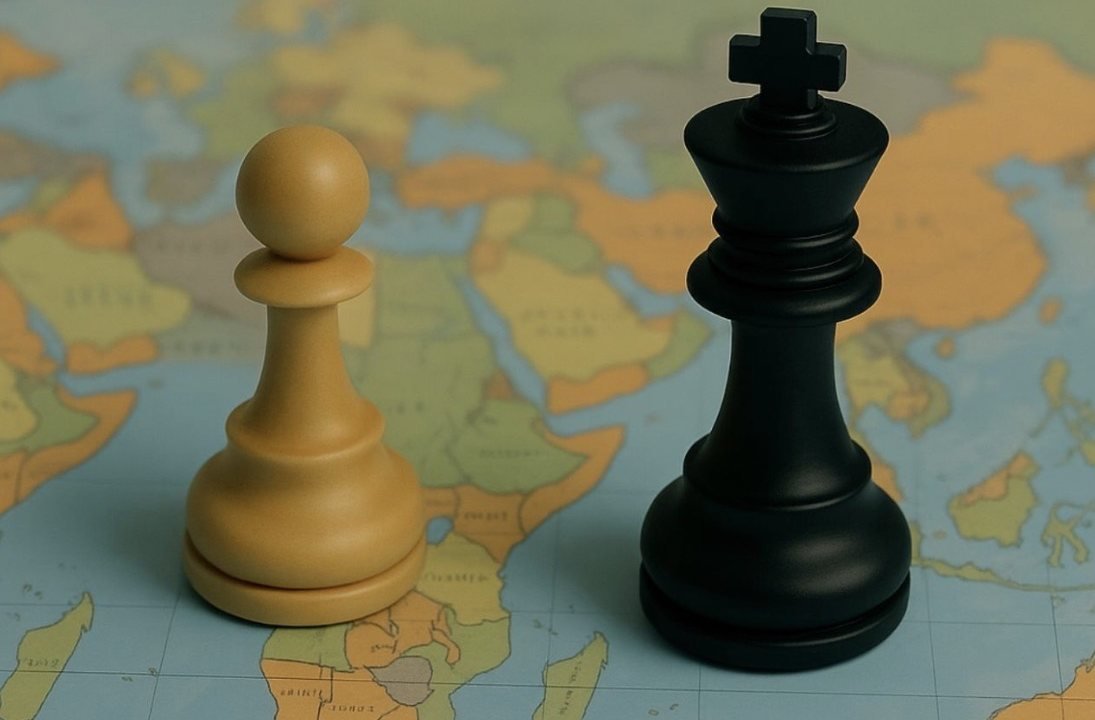
The world today feels like a chessboard where the pieces move faster than ever. Rivalry between great powers is no longer confined to military might or diplomatic posturing; it now stretches across technology, trade, energy, and even the narratives that shape our daily lives. For nations, businesses, and individuals alike, the challenge is the same: how do you balance between giants without being crushed by their weight?
This is where geo-economics comes into play. Power in the 21st century is measured less by the size of armies and more by the control of supply chains, critical technologies, and investment flows. Sanctions, tariffs, and infrastructure projects have become as decisive as tanks and missiles. In this environment, winners will not be those who simply choose sides, but those who master the art of balance.
The competition among the United States, China, and Russia is reshaping the global order with ripple effects felt everywhere. Energy shocks, inflation, and shifting alliances, exacerbated by the Ukraine conflict, remind us that no nation or market is insulated from great power rivalry. Yet amid this turbulence, some states show that balance is not weakness but strategy.
The UAE is a clear example. By maintaining strong ties with the West while deepening engagement with China and Russia, it has positioned itself as a hub for trade, investment, and mediation. Geography, economic agility, and proactive diplomacy have allowed it to turn rivalry into opportunity, demonstrating what strategic flexibility looks like in practice.
As Henry Kissinger once observed, “Diplomacy is the art of restraining power.” Today, it is also the art of aligning geo-economics with geopolitics, ensuring that engagement with great powers strengthens resilience rather than erodes it.
The future belongs to those who can balance giants without being crushed by them. The task is not to choose sides, but to chart independent paths that safeguard sovereignty while harnessing global competition for growth.